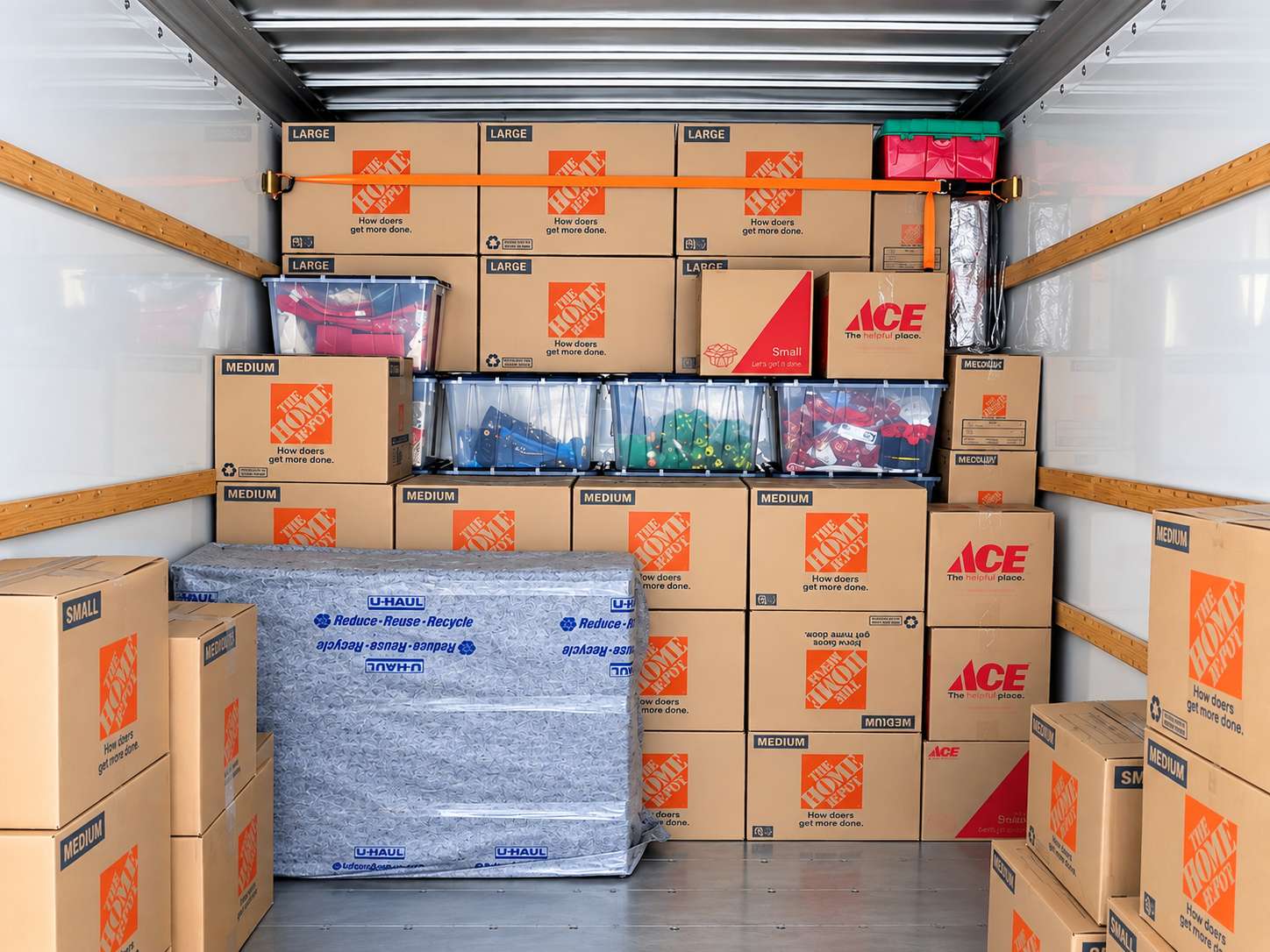
Packing a moving truck properly can make your move safer, more organized, and much easier to manage. Whether you're preparing for a local move in Nashville, relocating to Chattanooga, or moving between surrounding Tennessee communities, the way you load your truck can have a major impact on the safety of your belongings.
A poorly packed truck can allow boxes and furniture to shift during transportation, increasing the risk of scratches, dents, broken items, and other damage. A well-organized load, on the other hand, helps maximize available space while keeping your belongings stable throughout the trip.
If you're preparing for a residential move, these practical moving and packing tips can help you get started.
- Prepare Your Boxes Before Loading
Before moving anything into the truck, make sure your boxes are properly packed, sealed, and labeled.
Use appropriately sized boxes for different belongings. Heavy items such as books should generally be placed in smaller boxes so they are easier and safer to carry. Larger boxes are better suited for lightweight items such as clothing, bedding, towels, and pillows.
Label boxes according to the rooms where they belong, such as:
Kitchen
Bedroom
Bathroom
Living room
Office
Garage
Clear labeling makes the unloading process much easier and helps your movers know where each box should go.
- Load Heavy Items First
One of the most important rules when packing a moving truck is to load heavier belongings first.
Large furniture, appliances, heavy boxes, and other dense items should generally be placed toward the front of the truck and kept as low as possible.
This creates a more stable foundation for the rest of the load. Avoid putting heavy boxes on top of lightweight belongings or fragile items.
For larger residential moves, planning where your heaviest furniture will go before loading can also save significant time.
- Protect Furniture Before Loading
Furniture can easily become scratched or damaged during a move if it isn't properly protected.
Before loading furniture, consider using:
Moving blankets
Furniture pads
Stretch wrap
Bubble wrap
Mattress covers
Cardboard corner protection
Tables, dressers, cabinets, chairs, and other large pieces should be wrapped before they are placed inside the truck.
If possible, remove detachable components such as table legs or shelving. This can make furniture easier to handle while also creating more usable space.
- Stack Moving Boxes Properly
Once the heavier furniture and larger items are positioned, begin stacking your moving boxes.
Place heavier boxes toward the bottom and lighter boxes on top. Try to create stable stacks rather than uneven piles.
Boxes containing fragile belongings should be clearly labeled and positioned where they won't be crushed by heavier items.
Proper stacking is particularly important when using a truck for a longer trip. Items may shift as the vehicle accelerates, brakes, and turns.
- Make the Most of Available Space
Efficient truck loading isn't simply about putting everything inside. It's about using available space without creating an unstable load.
Small spaces between furniture and boxes can sometimes be used for smaller, properly protected belongings.
Soft items such as:
Blankets
Towels
Pillows
Clothing
Linens
can also be used as padding around appropriate items.
However, avoid forcing belongings into spaces that are too small. Overpacking can damage boxes and place unnecessary pressure on furniture and other possessions.
- Distribute Weight Evenly
Proper weight distribution is another important part of safe truck loading.
Try to spread heavier belongings throughout the truck instead of placing most of the weight on one side.
A balanced load can help make the truck easier to handle during transportation and reduce unnecessary movement inside the cargo area.
If you're unsure how to distribute particularly heavy furniture or appliances, professional movers can help determine the safest way to position them.
- Secure Your Belongings
Boxes and furniture can move during transportation if they aren't secured properly.
Use appropriate straps and tie-downs to secure larger items and stabilize sections of the load. Moving blankets and padding can also help prevent belongings from rubbing against each other.
Before closing the truck, inspect the entire cargo area.
Make sure:
Furniture is protected
Boxes are stable
Heavy items are secure
Straps are properly attached
Fragile belongings are protected
Nothing is likely to fall when the doors are opened
Taking a few extra minutes to check your load can help prevent problems later.
- Keep Essential Items Accessible
Not everything should be packed deep inside the truck.
Set aside the belongings you'll need immediately after arriving at your destination. These may include:
Important documents
Toiletries
Cleaning supplies
Phone chargers
Basic tools
Medication
A change of clothes
Towels
Basic kitchen supplies
Keeping these items near the rear of the truck can save you from having to unload several layers of boxes just to access something you need.
- Plan Your Loading Order
A good loading plan can make moving day considerably more efficient.
Before loading, determine where your largest furniture pieces will be positioned. Then plan how your boxes and smaller belongings will fit around them.
A basic loading sequence can look like:
Heavy furniture → Appliances → Large boxes → Medium boxes → Small boxes → Fragile and essential items
The exact order will depend on your belongings and truck configuration, but having a plan helps minimize unnecessary rearranging.
Moving in Nashville, Chattanooga, and Surrounding Areas
If you're planning a local or residential move in Nashville, Chattanooga, or nearby Tennessee communities, proper preparation can make the moving process much easier.
Whether you're moving from an apartment, single-family home, condominium, or other residential property, carefully organizing your belongings before moving day can help reduce delays and protect your possessions.
For larger moves, professional local movers can also assist with packing, furniture protection, loading, transportation, and unloading.
If you're searching for local movers in Nashville or moving services in Chattanooga, look for a company that is properly equipped to handle the type and size of your move.
Local and Residential Moving Made Easier
A residential move involves much more than transporting boxes from one location to another. Furniture needs to be protected, heavy items need to be handled carefully, and the entire load needs to be organized before the truck leaves.
Working with experienced residential movers can take much of the physical work off your shoulders. Professional movers can help with everything from packing and loading to transporting and unloading your belongings.
For homeowners, renters, and families preparing for a move in the Nashville or Chattanooga area, professional assistance can be especially useful when moving large furniture, appliances, fragile belongings, or a full household.
When Should You Hire Professional Movers?
A DIY move can work for smaller loads, but professional help may be worthwhile when you have:
Large or heavy furniture
Multiple rooms of belongings
Fragile or valuable items
Appliances that require careful handling
Limited time for packing and loading
A long-distance or interstate move
Physical limitations that make lifting difficult
Professional movers have experience handling these situations and can help make the moving process more organized and efficient.
Final Thoughts
Packing a moving truck correctly is an important part of a successful move. Taking the time to prepare your boxes, protect furniture, distribute weight, maximize available space, and secure your belongings can help reduce the risk of damage during transportation.
Whether you're planning a local move in Nashville, a residential move in Chattanooga, or a relocation in a surrounding Tennessee community, proper preparation can make moving day considerably easier.
If the job involves heavy furniture, a large household, or more belongings than you can comfortably handle yourself, consider working with professional movers who can help with the packing, loading, transportation, and unloading process.